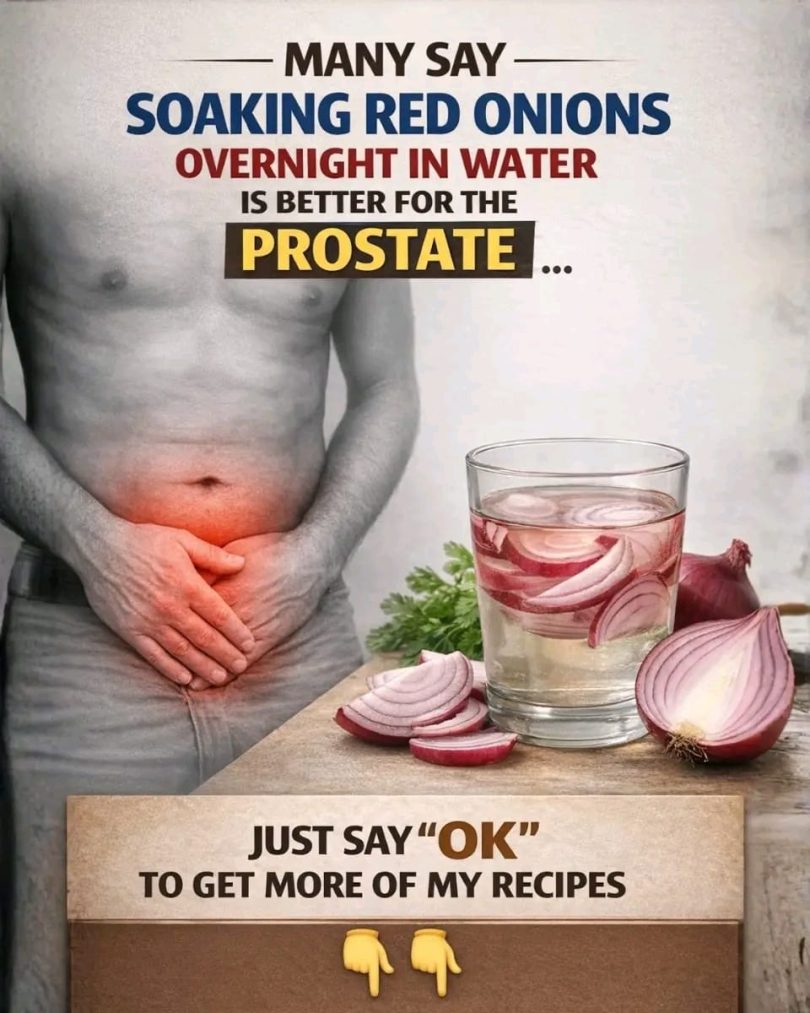
In Natural Wellness, the Simplest Ingredients Are Often the Most Powerful
In the world of natural wellness, some of the most effective supports come from the most familiar ingredients. One humble example is the onion—an everyday kitchen staple that has been valued for centuries in traditional practices.
What many people don’t realize is that it’s not only the onion itself that’s useful. The outer onion skins, often discarded during cooking, contain concentrated plant compounds that may gently support prostate comfort and bladder function as part of a balanced lifestyle.
As people age, it’s common to notice changes in urinary comfort. Men may experience prostate-related discomfort such as frequent nighttime urination or a weaker flow, while both men and women can deal with occasional bladder sensitivity, fluid retention, or irritation.
Diet, hydration, and traditional plant-based habits have long played a role in supporting urinary wellness. Simple food-based routines may help maintain comfort and balance over time.
The Traditional Value of Onion (Allium cepa)
The Traditional Value of Onion (Allium cepa)
Onions have been used for generations in culinary and traditional wellness practices. They contain naturally occurring plant compounds such as:
Quercetin – a well-known antioxidant that helps support the body’s natural inflammatory balance
Sulfur-containing compounds – traditionally associated with detoxification support
Flavonoids and saponins – plant compounds that contribute to overall immune and cellular health
These components make onions a popular ingredient in traditional routines aimed at supporting circulation, inflammation balance, and urinary comfort.
Why Onion Skins Are Especially Interesting
Onion skins are surprisingly rich in quercetin—often in higher concentrations than the inner layers. In traditional use, onion skins have been valued for their gentle supportive properties, including:
Supporting natural fluid balance
Encouraging comfortable urinary flow
Providing antioxidant support
Across various cultures, onion skin infusions have been used as a mild herbal tea for everyday wellness.
Simple Traditional Ways to Use Onion and Onion Skins
1. Onion Skin Tea (Traditional Herbal Infusion)
Ingredients:
Clean, dry skins from 1–2 onions (preferably organic)
1 liter of water
How to prepare:
Rinse the onion skins thoroughly.
Bring the water to a boil and add the skins.
Simmer gently for 5 minutes.
Turn off heat, cover, and let steep for 10 minutes.
Strain before drinking.
How to enjoy:
Drink 1 warm cup in the morning and 1 cup in the evening for up to one week. This practice can be repeated occasionally as part of a balanced routine.
2. Fresh Onion Blend with honey (Traditional Comfort Recipe)
Ingredients:
½ small onion
1 tablespoon raw honey
½ cup water
How to prepare:
Blend the onion with water, strain, and mix in honey.
How to enjoy:
Traditionally taken in small amounts for a few days, followed by a short break.
3. Gently Cooked Onion with Olive Oil
Ingredients:
1 large onion
1 tablespoon extra-virgin olive oil
How to prepare:
Slice the onion and cook slowly over low heat with olive oil until soft.
How to enjoy:
Eat warm as part of a meal. This simple dish is traditionally valued for digestive comfort and gentle urinary support.
Additional Everyday Benefits of Onions
As part of a balanced diet, onions may also support:
Healthy circulation
Cholesterol balance
immune system function
Blood sugar stability
Digestive comfort
Tips and Gentle Precautions
Always wash onion skins carefully before use
Avoid onions that are moldy or spoiled
Use moderation—natural doesn’t mean unlimited
If you are taking medication or managing a medical condition, consult a healthcare professional before starting any new routine
Final Thoughts
Onions and their skins are more than simple kitchen scraps—they’re a reminder that nature often hides its value in plain sight. When used thoughtfully, these traditional ingredients can be a gentle addition to a lifestyle focused on comfort, balance, and everyday wellness.
Sometimes, the path to feeling better doesn’t begin in a pharmacy—but right in your kitchen.
Helping the body manage mild inflammation





Leave a Comment