What’s This on My Salami? A Parisian Mystery That Made Me Put Down My Snack
Paris—the city of lights, art, wine, and yes, food. From flaky croissants at dawn to creamy cheese plates at dusk, the French capital is a paradise for culinary adventurers. But even the most seasoned traveler can encounter something unexpected: the kind of food mystery that makes you pause, photograph it, and maybe even leave it on the plate.
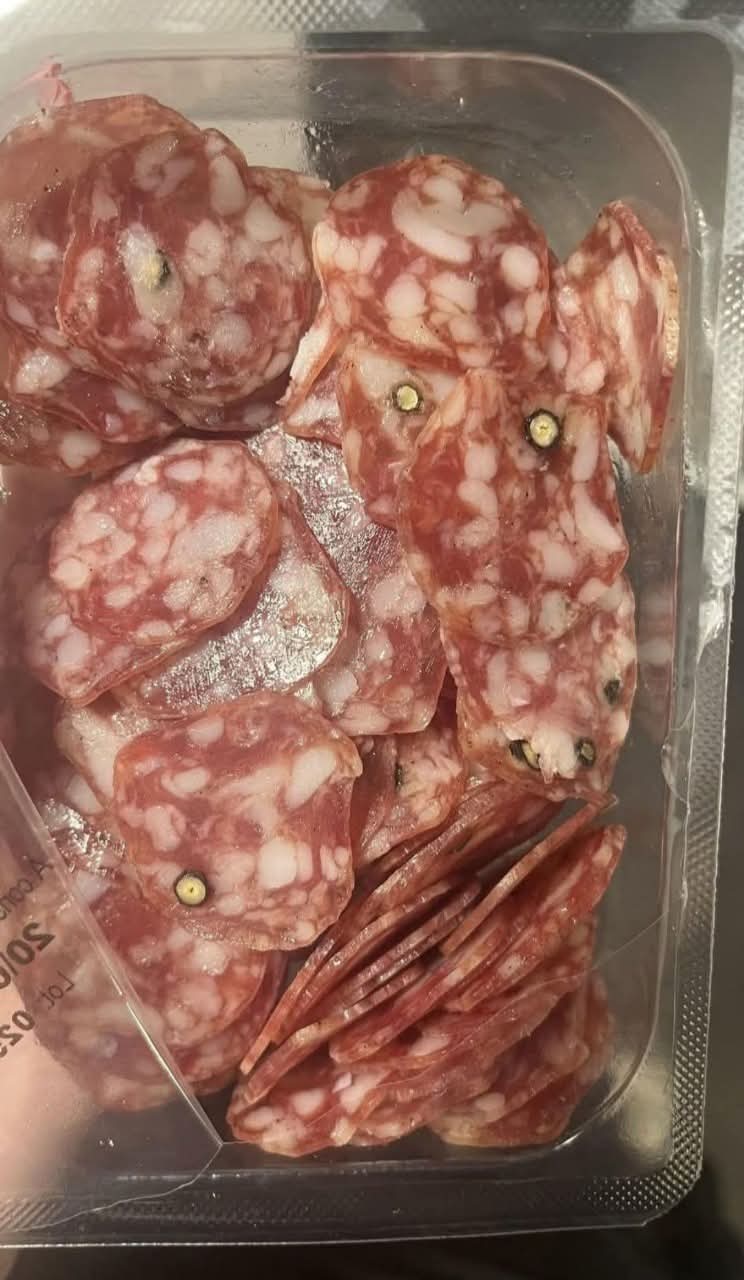
Recently, I found myself staring at my salami in a Parisian charcuterie, wondering: “What’s this on my salami? I know it’s not mold… I think. I couldn’t bring myself to eat it!”
This is the story of that salami, and the fascinating science, culture, and psychology behind why a tiny unexpected speck can derail an otherwise perfect culinary experience.
The Scene: Paris, Charcuterie, and the Salami Saga
I had just wandered into a small, aromatic charcuterie tucked into a narrow Parisian street. The counters gleamed with meats, cheeses, and terrines, and the air smelled like smoked paprika, garlic, and cured magic.
The salami in question caught my eye immediately—rich in color, delicately marbled, with a fragrant, smoky aroma that made my stomach rumble. I picked up a slice and noticed something unusual: a small white coating on the surface.
At first, I thought, “Oh, maybe mold?” But then I remembered: cured meats often have protective coatings that aren’t mold at all. My Parisian culinary sense, though, screamed caution.
Why We Hesitate to Eat “Odd” Food
Humans are hardwired to avoid potentially harmful foods. This instinct likely saved countless ancestors from food poisoning or toxic plants. Even in a city known for its culinary expertise, that instinct doesn’t disappear
A tiny speck on a slice of salami can trigger disgust or hesitation—even if it’s harmless. Psychologists call this the “food neophobia response”—an innate caution against unfamiliar substances.
When I saw that white coating, my rational mind said, “It’s probably safe, it’s a cured meat in Paris, relax”, but my instinct shouted, “Nope, put it down!”
What Could It Be? The Science of Salami Surfaces
Cured meats like salami are complex, living foods. They undergo fermentation, drying, and sometimes aging for months. That white coating can come from several sources:
1. Natural Mold
Yes, mold! But not the scary kind. Many traditional salamis are intentionally coated with Penicillium nalgiovense, a white mold that protects the meat and develops flavor. This mold is completely edible and part of the craft.
2. Salt Bloom
Sometimes, salt crystals emerge on the surface during curing. This is called salt bloom and is harmless. It can even add a pleasant texture if left intact.
3. Fat Bloom
In some cases, fat from the meat can rise to the surface, forming white streaks or spots. It’s a natural process in dry-cured meats and not dangerous.
4. Powdered Coatings
Some European salamis are dusted with flour or rice powder before aging. This helps the salami retain shape and prevents sticking in storage.
So, what I saw on my Parisian salami could have been any of these—probably one of the first two. The real surprise? It’s meant to be there.
Cultural Context: French Appreciation for the “Perfect Slice”
In France, charcuterie isn’t just food; it’s art. A white coating isn’t an error—it’s a sign of quality. Many traditional butchers even encourage leaving the mold intact until consumption because it develops deeper flavor and protects the meat from spoilage.
I was, quite simply, uninitiated. My hesitation was cultural as much as it was instinctual. In Paris, a tiny white speck is a badge of craftsmanship, not a warning label.
The Psychology of Fear and Food
Even when armed with knowledge, fear can triumph over curiosity. Cognitive psychologists explain this as affect heuristic: when we feel uncertain about safety, our emotional response outweighs rational assessment.
That’s why, despite knowing that many salamis are coated with harmless mold, I still couldn’t bring myself to eat it. My mind was balancing the risks: “Is this truly safe?” versus the benefits: “It could be delicious!”
It’s a classic human dilemma: curiosity versus survival instinct.
The Art of Eating Cured Meats
Understanding cured meats can transform hesitation into enjoyment. Here are some tips for future salami encounters:
Look for uniform coating – White mold or powder usually spreads evenly. Random patches might signal spoilage.
Smell first – Pleasantly tangy, earthy, or nutty aromas indicate safe aging. Sour, rotten, or ammonia-like odors are warning signs.
Ask the butcher – Parisian charcuteries are staffed by knowledgeable professionals who expect questions. They often love educating customers about safe and flavorful practices.
Start small – If you’re unsure, taste a tiny sliver first. Flavor and texture often reassure your senses that it’s fine.
When to Trust Your Instincts
Even with all this knowledge, food safety is subjective. While most white coatings on traditional salami are safe, your personal comfort matters.
In Paris, my caution made me skip that slice. Was it the right choice? Probably. Could I have eaten it safely? Almost certainly. But the memory of hesitation is part of the story of travel, discovery, and culinary bravery—or cowardice, depending on your point of view.
A Culinary Lesson Learned (Without Eating)
Although I didn’t taste my salami, the experience taught me several things:
Food is cultural – Understanding local practices reduces unnecessary fear.
Not everything that looks strange is unsafe – Many foods are intentionally crafted with unusual textures or coatings.
Travel encourages humility – Accepting what you don’t know is part of the journey.
Fear and curiosity coexist – The balance between them creates memorable experiences.
How to Enjoy Cured Meats Abroad Without Anxiety
For those traveling and encountering mysterious cured meats:
Research local traditions – France, Italy, Spain: cured meats often have white coatings.
Engage locals – Butchers and chefs are excellent guides.
Start with familiar items – Cheese, cooked sausages, and ready-to-eat deli items help build confidence.
Document, don’t panic – Photograph the mystery slice if you’re hesitant; it becomes a story rather than a missed meal.
Conclusion: Mystery, Fear, and Appreciation
Paris taught me that food is more than nourishment—it’s a language, a culture, and sometimes a challenge. The white coating on my salami was a small detail, but it encapsulated a larger lesson about trust, curiosity, and cultural literacy.
Even without tasting it, I left the charcuterie richer in understanding. The mystery of the salami remains: a tiny white speck on a rosy slice of meat, part of tradition, and perfectly harmless.
Next time I encounter something unfamiliar in a foreign kitchen, I hope I’ll remember: a little hesitation can be wise, but sometimes it’s just the fear of the unknown—and the unknown can be delicious.
Paris may have left me with an untasted slice, but it gave me a story, a lesson, and a deepened appreciation for the subtle art of cured meats.





Leave a Comment